
Accepting M-Pesa Payments on Your Website
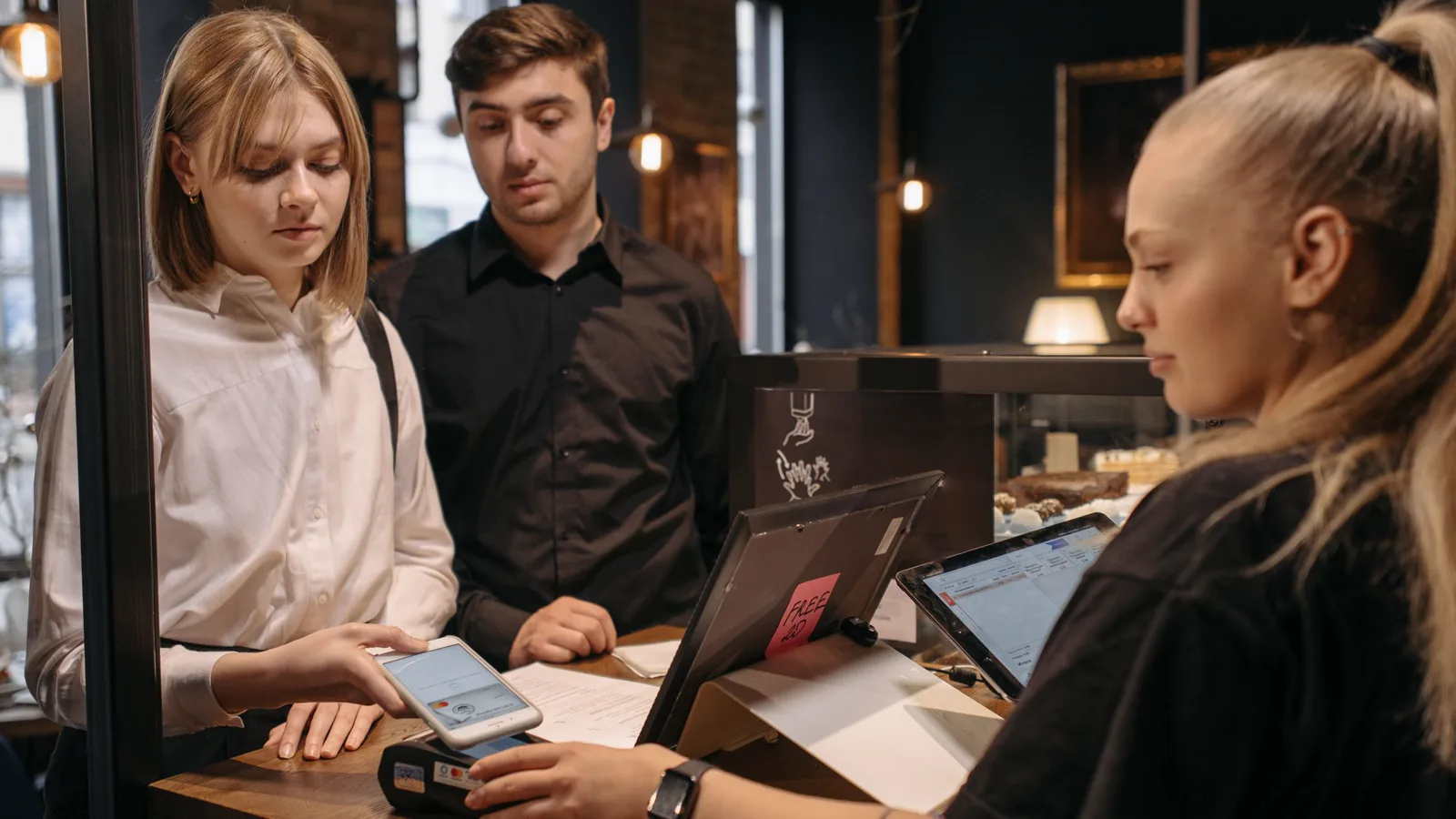
M-Pesa should feel like part of checkout, not a manual detour after it. For many Kenyan customers, a familiar mobile payment option is the difference between a completed order and an abandoned cart. That is why it is included in Duara Dev's E-commerce package rather than treated as an afterthought.
Why card-only checkout loses sales here
An online store that only takes cards is asking a large share of Kenyan customers to complete a payment method they may not have, do not use routinely, or do not trust with an unfamiliar site. They reach checkout, see no familiar option, and leave.
What makes this expensive is that it happens at the very end. You paid to get that visitor to the site, they chose a product, they went to the checkout, and the payment step is where it fails. That is the most costly place to lose someone.
What M-Pesa integration actually involves
Done properly, it is more than a phone number on a page.
The customer chooses M-Pesa at checkout and enters their number. The store initiates the request and a prompt appears on their phone. They enter their PIN. The store waits for confirmation from Safaricom, and only then marks the order paid and sends confirmation.
The part that separates a working integration from a fragile one is what happens when things do not go smoothly: the prompt times out, the customer cancels, the phone has no signal, the confirmation is delayed. Each of those needs handling so the order does not sit in limbo and the customer is not charged without an order being created. Getting those paths right is most of the work.
Manual paybill is not the same thing
Plenty of Kenyan sites display a paybill number and ask customers to pay and send a screenshot. It works, in the sense that money arrives. But someone then has to check payments against orders by hand, orders are delayed until they do, mistakes in reference numbers are common, and it does not scale past a modest volume.
Integrated checkout confirms the payment automatically, matches it to the order and updates stock. The difference shows up as soon as you are handling more than a handful of orders a day.
What needs to be set up?
A reliable integration needs the right merchant account and credentials, a secure website, approved callback addresses and an order process that knows the difference between a payment request, a confirmed payment and a failed payment. The provider's charges and account approval process are separate from the website build, so they should be planned before launch rather than left to the final day.
The store should wait for the provider's confirmed callback, record the reference and give staff a clear way to investigate an exception.
Cards as well
M-Pesa first does not mean M-Pesa only. Card checkout matters for customers paying from outside Kenya, for larger transactions and for business buyers. Our E-commerce package covers both, and which you lead with depends on who is actually buying from you.
Testing before launch
Before a store goes live we run test orders end to end (payment initiated, confirmed, order created, stock reduced, confirmation sent), including the failure paths. A store that has never processed a real test transaction is a store discovering its payment bugs in front of customers.
What it costs and what happens next
M-Pesa checkout is included in our E-commerce package at KSh 90,000, alongside the catalogue, stock handling and order and delivery management. Payment-processing fees are set by the provider and go to them, not to Duara Dev. Compare this with Duara Dev's other web development services in Kenya, or use the pricing page as the source for current package details.
Can I use a paybill number instead?
You can, but manual confirmation creates delay and reconciliation work. Integrated checkout is usually the better customer and operations experience.
What if a customer cancels or the prompt times out?
The order should remain unpaid and the customer should receive a clear route to try again. Those cases are part of pre-launch testing.
Can a store accept M-Pesa and cards?
Yes. M-Pesa can lead checkout for Kenyan customers while cards serve international and business buyers.
Make it easy for customers to pay.
Build a checkout that confirms orders properly, handles real payment outcomes and fits the way your customers buy.